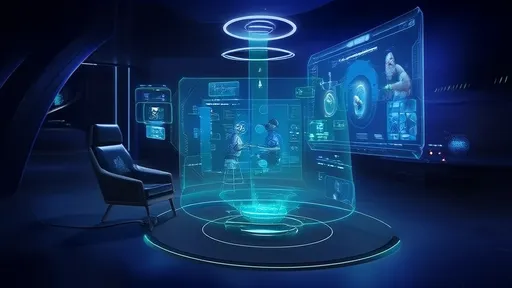
The gaming landscape is undergoing a subtle but significant transformation, and nowhere is this more evident than in the quiet revolution of mobile game desktop clients. For years, the concept of a "desktop version" of a popular mobile title often meant a simple emulator wrapper—a functional but clunky port that rarely felt native to the PC environment. Players tolerated these experiences, but a new standard is emerging. Driven by a demand for deeper immersion and competitive integrity, developers are now investing seriously in creating bespoke desktop experiences that stand on their own merit. This isn't just about playing a phone game on a bigger screen; it's about re-engineering the entire experience from the ground up for a powerful machine.
At the heart of this evolution lies the critical challenge of keyboard and mouse adaptation. Translating touch-based gestures, designed for swipes and multi-finger taps, into the precise, click-driven language of a PC is a complex design puzzle. The most successful adaptations move far beyond simple key mapping. They involve a fundamental rethinking of control schemes. For instance, a MOBA game might map hero abilities to the Q, W, E, and R keys, mirroring the established conventions of its PC-born counterparts, while allowing for smart-casting options that professional players expect. Camera control, often handled automatically or via a finger drag on mobile, is liberated onto the mouse, offering players unparalleled freedom and precision. This meticulous retooling transforms a casual mobile control scheme into a responsive and satisfying PC-grade input system, opening up new depths of strategic play.
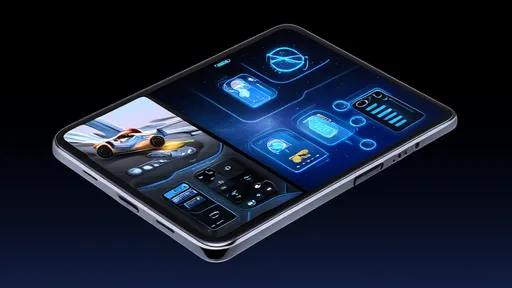
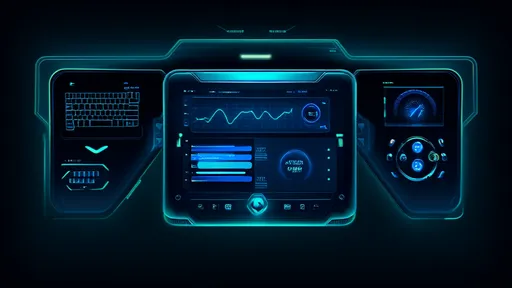
However, superior controls are wasted if the user interface remains a blown-up version of its mobile predecessor. This is where comprehensive interface reconstruction comes into play. The constraints of a small mobile screen necessitate dense, icon-heavy menus that consolidate information. On a spacious desktop monitor, this approach feels wasteful and inefficient. The redesign process, therefore, focuses on information architecture and spatial efficiency. Developers are now creating entirely new UI layouts that utilize the horizontal real estate, implementing multi-panel menus, resizable windows, and customizable HUD elements. Vital information that was once hidden behind multiple taps is now permanently visible on the periphery of the screen. Inventory management, skill trees, and social features are redesigned for mouse-hover tooltips and rapid navigation, significantly reducing menu fatigue and creating a much more fluid and information-rich gameplay experience that feels inherently designed for the platform.
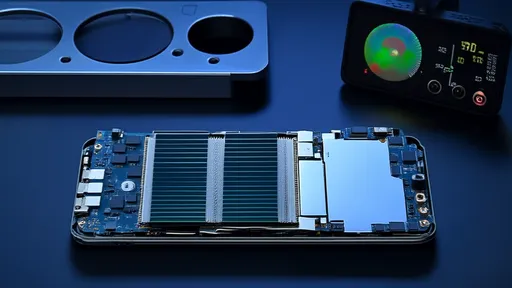
Underpinning these visual and control enhancements is the most crucial, albeit often invisible, element: profound performance optimization. Mobile games are engineered to run on a vast spectrum of devices with limited thermal and power budgets, often capping frame rates and simplifying visual effects to ensure stability. The desktop client sheds these limitations. Leveraging the raw power of modern CPUs and GPUs, developers can unlock high frame rate modes—120 FPS or even higher—providing buttery-smooth animation that is a game-changer for fast-paced action and competitive titles. Furthermore, assets are often recompiled at higher resolutions, textures are enhanced, and shadow and lighting effects are dialed up to create a visually stunning experience that was impossible on mobile. This performance headroom also allows for quicker loading times and more stable performance during large-scale, particle-effect-heavy team fights, ensuring the game not only looks better but also runs more reliably.
The culmination of these efforts—seamless keymouse integration, a thoughtfully reconstructed interface, and unlocked performance—elevates the desktop version from a mere port to a premier way to experience the game. It creates a distinct ecosystem within the same title, where players can choose the platform that best suits their preferred playstyle. The mobile version offers convenience and accessibility for on-the-go sessions, while the desktop client provides a deep, immersive, and highly competitive environment for extended play. This strategic move also future-proofs the game, allowing it to tap into the vast and dedicated PC gaming market and esports scene, significantly expanding its potential audience and longevity. It's a recognition that a great game can transcend its initial platform and that investing in a quality experience on every front is key to building a lasting franchise.
Looking ahead, the bar for mobile-to-desktop ports has been raised permanently. The era of accepting mediocre emulation is over. Players now expect a native feel, and developers are responding with increasingly sophisticated clients. The focus will likely shift towards even deeper customization, allowing players to tailor their HUD layout, key bindings, and graphical settings to an unprecedented degree. We may also see features that leverage the second screen, such as sending notifications to a phone or using it as a companion app for inventory management while the main game runs on the PC. The line between mobile and desktop gaming continues to blur, and this dedicated effort to perfecting the desktop experience is a testament to the industry's commitment to meeting players wherever they are, with the best possible version of the game.

By /Aug 26, 2025
By /Aug 26, 2025
By /Aug 26, 2025
By /Aug 26, 2025
By /Aug 26, 2025
By /Aug 26, 2025

By /Aug 26, 2025

By /Aug 26, 2025
By /Aug 26, 2025
By /Aug 26, 2025

By /Aug 26, 2025

By /Aug 26, 2025
By /Aug 26, 2025
By /Aug 26, 2025

By /Aug 26, 2025

By /Aug 26, 2025
By /Aug 26, 2025
By /Aug 26, 2025
By /Aug 26, 2025
By /Aug 26, 2025
